
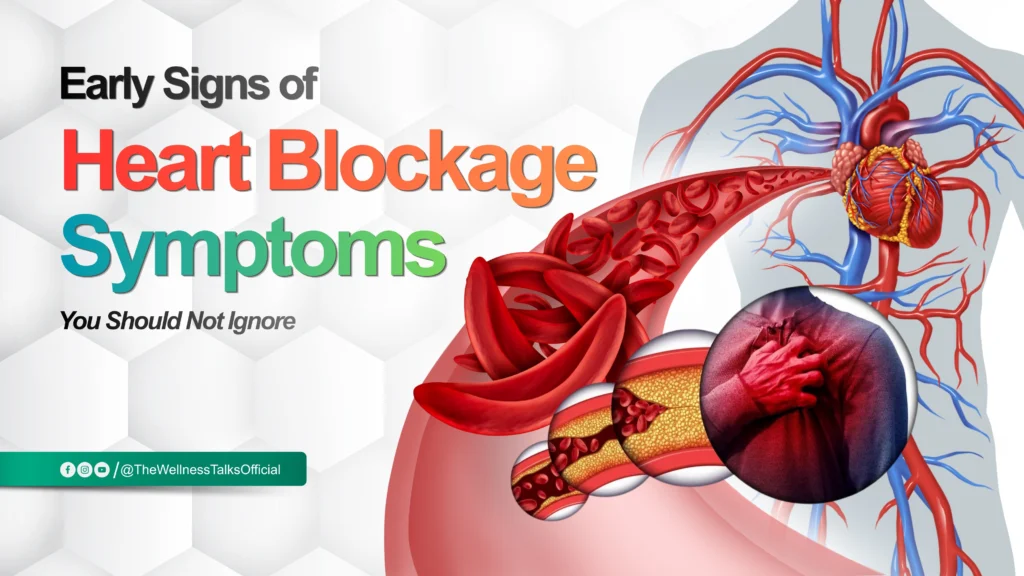
The early signs of heart blockage are often ignored because they don’t always feel like a dramatic heart problem. Many people assume heart blockage symptoms only mean severe chest pain, but the truth is more dangerous: blocked arteries can develop silently for years. In many cases, the first major warning sign is a heart attack—which is why recognizing heart blockage warning signs early can save your life.
This article explains the most common heart blockage symptoms, how they feel, why they happen, and when you should get medical tests. It’s written in simple language but based on science and evidence.
What is Heart Blockage?
Heart blockage usually refers to narrowing or blockage of the coronary arteries due to plaque buildup (fat, cholesterol, and calcium). This condition is called coronary artery disease (CAD). When blood flow to the heart muscle reduces, it causes symptoms like chest discomfort, breathlessness, and fatigue. Severe blockage can lead to heart attack.
Why Heart Blockage is Important (Science-Backed Explanation)
Heart blockage is not a sudden disease—it develops gradually.
Over time, cholesterol and fatty deposits form plaque inside arteries. This process is called atherosclerosis. As plaque grows, arteries become narrow, reducing oxygen-rich blood flow to the heart.
This is dangerous because the heart needs constant oxygen. When oxygen supply drops, the body may show symptoms like chest pressure or breathlessness. If plaque breaks suddenly, it can form a blood clot, completely blocking blood flow and triggering a heart attack.
According to medical research, coronary artery disease is one of the leading causes of death globally. Early detection reduces the risk of fatal outcomes.
Top Benefits of Identifying Early Signs of Heart Blockage Early
Recognizing symptoms early can help you:
- prevent heart attack
- reduce risk of stroke
- control cholesterol and blood pressure
- get timely treatment (medicines or procedures)
- improve heart function
- avoid sudden cardiac arrest
- increase life expectancy
Ignoring symptoms is the worst decision because heart disease doesn’t always give a second chance.
Early Signs of Heart Blockage (Most Common Symptoms)
Heart blockage symptoms can vary depending on age, gender, and severity of blockage.
Below are the most important warning signs you should never ignore.
1. Chest Pain or Chest Pressure (Angina)
This is the most common symptom.
It may feel like:
- tightness
- heaviness
- squeezing pain
- burning sensation
- pressure in the center of chest
Sometimes it comes and goes.
When it happens:
- while walking
- climbing stairs
- exercising
- emotional stress
- after heavy meals
This is a classic heart blockage warning sign.
2. Shortness of Breath (Breathlessness)
If your heart cannot pump enough blood, your lungs struggle to supply oxygen.
You may feel breathless:
- while walking short distance
- climbing stairs
- doing daily activities
- while lying down (in severe cases)
Many people confuse it with asthma or weakness.
3. Fatigue and Low Energy
Unusual tiredness is a major but ignored symptom.
This happens because reduced blood flow means your heart is working harder. Your body gets less oxygen, leading to constant fatigue.
Common signs:
- tired even after rest
- weakness while walking
- feeling exhausted doing normal tasks
This symptom is especially common in women.
4. Pain in Left Arm, Shoulder, Neck, or Jaw
Heart-related pain often radiates.
Instead of chest pain, some people experience discomfort in:
- left arm
- shoulder
- neck
- jaw
- upper back
This is a classic sign of reduced blood supply to the heart.
5. Dizziness or Lightheadedness
If blood flow decreases, the brain receives less oxygen.
You may feel:
- dizziness
- fainting sensation
- confusion
- imbalance
This can happen especially during physical activity.
6. Sweating Without Reason
Sudden cold sweating is a red flag.
If you experience sweating along with:
- chest pressure
- nausea
- breathlessness
it could indicate a serious heart issue.
7. Nausea, Indigestion, or Stomach Discomfort
Many people mistake heart blockage symptoms as acidity.
You may feel:
- nausea
- vomiting
- heaviness in stomach
- indigestion-like burning
This is more common in women and older adults.
8. Rapid Heartbeat or Palpitations
A blocked artery forces the heart to work harder, sometimes causing irregular heartbeat.
Signs include:
- heart racing suddenly
- pounding heartbeat
- skipped beats
If palpitations occur frequently with fatigue or chest discomfort, get checked.
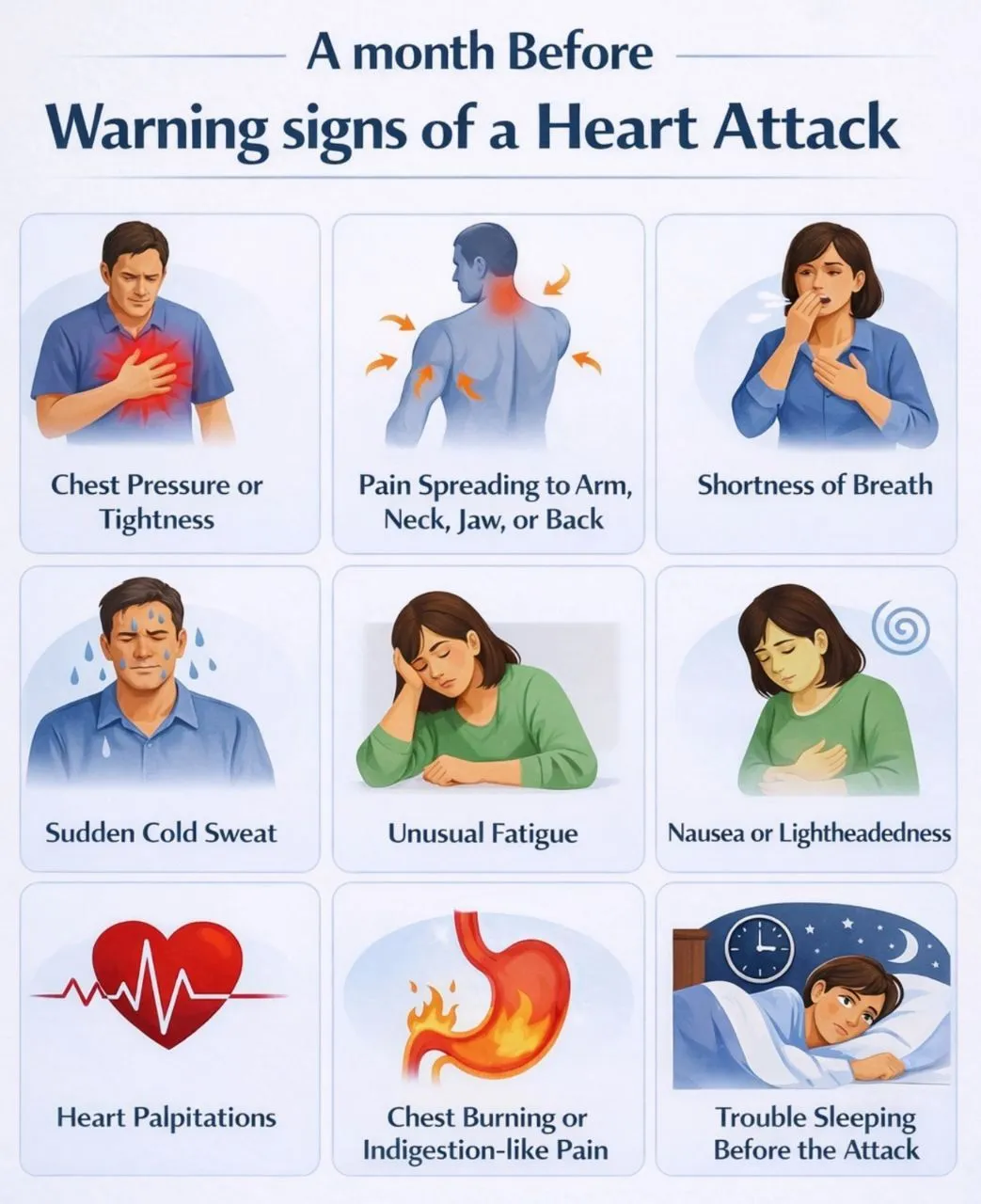
Heart Blockage Warning Signs You Should Not Ignore
- chest pain or pressure while walking
- breathlessness during daily activities
- unusual fatigue without reason
- pain in left arm, jaw, or shoulder
- dizziness or fainting feeling
- cold sweating
- nausea or indigestion-like symptoms
- fast heartbeat or palpitations
Silent Heart Blockage Symptoms (Hidden Signs Many People Miss)
Not everyone experiences typical chest pain. Some people have silent symptoms.
Common silent heart blockage symptoms:
- mild chest discomfort (not painful)
- tiredness after small activity
- slight breathlessness
- disturbed sleep due to breathing issues
- anxiety-like feeling
- mild jaw discomfort
Silent heart blockage is dangerous because people delay diagnosis until the condition becomes severe.
Early Signs of Heart Blockage in Men vs Women
Heart disease symptoms can differ by gender.
Early Signs of Heart Blockage in Men
Men commonly experience:
- strong chest pain
- left arm pain
- sweating
- shortness of breath
Men often feel classic angina symptoms.
Early Signs of Heart Blockage in Women
Women may experience:
- fatigue
- nausea
- dizziness
- back pain
- jaw pain
- breathlessness without chest pain
This is why heart disease in women is often misdiagnosed.
Heart Blockage Symptoms in Young Adults (Yes, It Happens)
Heart blockage is no longer only an “old age problem.”
Young adults may develop plaque due to:
- smoking
- stress
- obesity
- diabetes
- high cholesterol
- sedentary lifestyle
Heart blockage symptoms in young adults:
- chest tightness during workouts
- shortness of breath
- rapid heartbeat
- tiredness
- dizziness after physical activity
If you are under 40 and experiencing these signs, don’t ignore them.
Why Do Heart Blockage Symptoms Happen? (How It Works)
Here’s the simplified mechanism.
Step-by-Step Explanation
- Plaque builds inside coronary arteries
- Artery becomes narrow
- Blood flow reduces
- Heart receives less oxygen
- Chest pain and breathlessness appear
- Plaque rupture may form clot
- Complete blockage causes heart attack
That’s why early symptoms often appear during exertion, not rest.
Best Tests to Detect Heart Blockage Early
If you notice symptoms, do not self-diagnose.
A cardiologist may recommend:
Common heart tests
- ECG (Electrocardiogram)
- Echocardiogram (2D Echo)
- Treadmill Test (TMT)
- Blood tests (cholesterol, CRP, troponin)
- CT coronary angiography
- Coronary angiography (most accurate)
Only tests can confirm heart blockage.
Risk Factors That Increase Heart Blockage Chances
If you have these risk factors, your risk is higher:
- high LDL cholesterol
- high blood pressure
- diabetes
- obesity
- smoking or tobacco use
- family history of heart disease
- high stress
- sedentary lifestyle
- poor diet (high sugar, fried food)
- lack of sleep
Risk factors + symptoms = urgent medical attention.
Best Practices / Tips to Prevent Heart Blockage Naturally
Prevention is not a motivational quote. It’s a medical necessity.
Daily prevention habits
- walk 30–45 minutes daily
- reduce fried and processed foods
- eat more fiber (fruits, oats, vegetables)
- reduce sugar intake
- stop smoking completely
- control blood pressure
- manage stress
- sleep 7–8 hours
- get cholesterol tested yearly
Best heart-friendly foods
- oats
- walnuts
- flaxseeds
- olive oil
- fatty fish (salmon)
- garlic (in moderation)
- fruits like berries
- green leafy vegetables
Common Mistakes People Make (Very Dangerous)
❌ Mistake 1: Ignoring Mild Chest Pain
Chest pressure that comes during walking is a warning sign, not “gas.”
❌ Mistake 2: Self-Treating With Home Remedies
Garlic and lemon water will not remove serious blockage.
❌ Mistake 3: Stopping Medicines Without Doctor Advice
Cholesterol and BP medicines reduce heart attack risk.
❌ Mistake 4: Thinking “I’m Young, So I’m Safe”
Heart attacks in 30s and 40s are increasing.
❌ Mistake 5: Waiting for Severe Pain
Many heart attacks start with mild symptoms.
Myths vs Facts About Heart Blockage
Myth 1: Heart blockage always causes chest pain
✅ Fact: Many people have silent symptoms.
Myth 2: Only obese people get heart blockage
✅ Fact: Even slim people can have high cholesterol.
Myth 3: Heart blockage happens suddenly
✅ Fact: It develops over years.
Myth 4: Angiography is only for old people
✅ Fact: Testing depends on symptoms and risk factors.
Myth 5: Heart blockage can always be cured naturally
✅ Fact: Lifestyle helps prevention, but severe blockage needs medical treatment.
Can Heart Blockage Be Reversed Naturally? (Truth Explained)
Mild plaque buildup can sometimes be stabilized or slowed with:
- healthy diet
- exercise
- weight control
- cholesterol control
- stopping smoking
- medicines (statins)
But if blockage is severe, lifestyle alone cannot “reverse” it completely.
Medical treatment may include angioplasty, stent placement, or bypass surgery.
Don’t fall for fake claims online.
When to Seek Emergency Help (Do Not Delay)
Call emergency services immediately if you have:
- chest pain lasting more than 10 minutes
- pain spreading to left arm or jaw
- breathlessness + sweating
- sudden dizziness or fainting
- nausea with chest discomfort
These can be warning signs of a heart attack.
Heart Blockage Symptoms vs Severity (Quick Table)
| Symptom | Common Meaning | Risk Level |
|---|---|---|
| mild chest pressure during walking | early angina | high |
| breathlessness on stairs | reduced heart oxygen | high |
| jaw/arm pain | radiating heart pain | high |
| fatigue without reason | poor circulation | moderate-high |
| dizziness | low blood flow | moderate |
| sweating + nausea | possible heart attack | very high |
| palpitations | irregular heart rhythm | moderate |
FAQs (People Also Ask Questions)
1. What are the early signs of heart blockage?
The early signs include chest tightness, breathlessness, fatigue, jaw/arm pain, dizziness, and sweating—especially during walking or exercise.
2. Can heart blockage happen without symptoms?
Yes. Some people have silent heart blockage symptoms like mild fatigue and breathlessness, and the first major sign may be a heart attack.
3. How do you know if your arteries are blocked?
You cannot confirm blockage without tests like ECG, TMT, CT angiography, or coronary angiography. Symptoms can only indicate risk.
4. What are the warning signs of a heart attack?
Warning signs include chest pain lasting more than 10 minutes, pain in arm/jaw, sweating, nausea, breathlessness, and dizziness.
5. Can heart blockage be reversed naturally?
Mild plaque buildup can sometimes be controlled or slowed through lifestyle and medicines. Severe blockage usually needs medical intervention.
Conclusion
The early signs of heart blockage can be mild, confusing, and easy to ignore—but they are serious warning signals from your body. Common heart blockage symptoms include chest pressure, breathlessness, fatigue, arm or jaw pain, dizziness, and sweating. Some people may experience silent heart blockage symptoms, making regular testing even more important if you have risk factors.
If you notice heart blockage warning signs, do not delay. Early diagnosis through ECG, TMT, or angiography can prevent heart attack and save your life.