
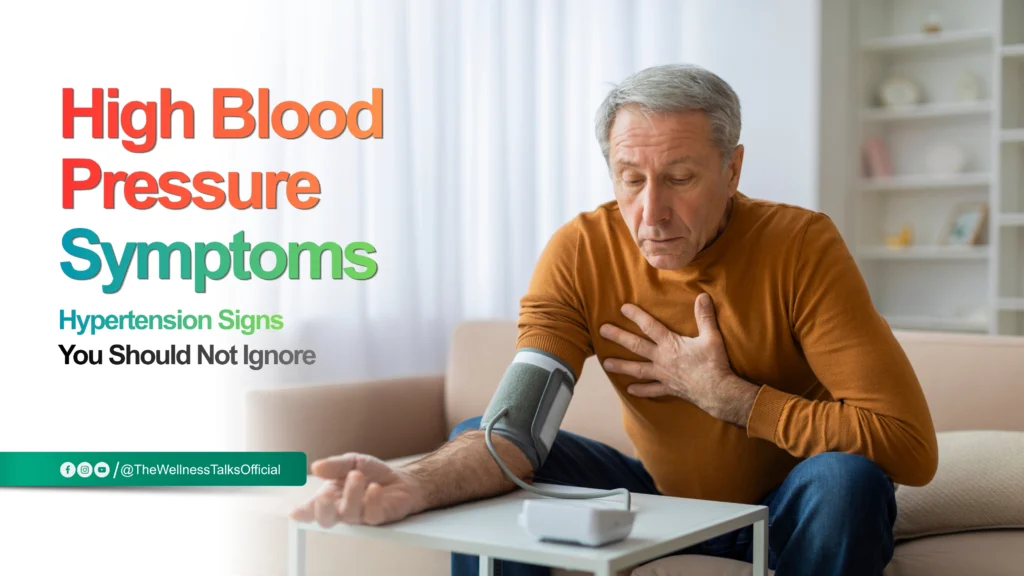
High blood pressure symptoms are often ignored because hypertension usually develops silently. Many people believe they will “feel” when their BP is high, but the truth is scary—most people don’t feel anything until serious damage happens. That’s why high blood pressure is called the silent killer. Still, some warning signs like headaches, dizziness, chest discomfort, or shortness of breath may appear when BP becomes dangerously high.
In this article, we will cover the most common hypertension symptoms, early warning signs, and bp high symptoms that should never be ignored. This guide is beginner-friendly, evidence-based, and designed for heart health readers.
What is High Blood Pressure (Hypertension)?
High blood pressure, also called hypertension, is a condition where the force of blood pushing against artery walls stays consistently too high. Over time, this extra pressure damages blood vessels and increases the risk of heart attack, stroke, kidney disease, and vision problems. Many people have hypertension without noticeable symptoms.
Why Hypertension is Important (Evidence-Based Explanation)
Blood pressure is measured using two numbers:
- Systolic BP (top number): pressure when the heart beats
- Diastolic BP (bottom number): pressure when the heart rests
When blood pressure stays high for months or years, it slowly damages arteries and organs. This increases the risk of:
- heart blockage
- heart attack
- stroke
- kidney failure
- eye damage
- brain complications
The dangerous part is that many people don’t know they have hypertension because symptoms may not appear early.
That’s why regular BP monitoring is critical.
Top Benefits of Recognizing High Blood Pressure Symptoms Early
Identifying hypertension early can help you:
- prevent stroke and heart attack
- reduce artery damage
- protect kidneys and brain health
- control BP with lifestyle changes
- avoid emergency complications
- improve long-term heart health
Early diagnosis is always easier than emergency treatment.
High Blood Pressure Symptoms (Common Warning Signs)
Most people with mild hypertension feel nothing. But when BP rises sharply or stays uncontrolled, symptoms may appear.
Here are the most common hypertension symptoms you should watch for.
1. Frequent Headaches (Especially in the Morning)
Headaches are one of the most searched bp high symptoms, but they usually happen only when BP becomes very high.
High BP headache may feel like:
- pressure around the head
- heaviness in the back of head
- morning headache after waking up
However, headaches can have many causes, so BP testing is necessary.
2. Dizziness or Lightheadedness
Sudden dizziness may happen when blood pressure spikes or drops suddenly.
You may feel:
- spinning sensation
- imbalance
- weakness
- fainting feeling
If dizziness happens repeatedly, don’t ignore it.
3. Shortness of Breath
Breathlessness is a serious warning sign, especially if it happens while walking or climbing stairs.
It may indicate:
- heart strain
- fluid buildup
- heart failure risk (in severe cases)
This is not a normal “fitness issue” if it happens suddenly.
4. Chest Pain or Chest Tightness
Chest discomfort should always be treated seriously.
It can be linked to:
- heart blockage
- angina
- high BP complications
If chest pain occurs with sweating or nausea, seek emergency care.
5. Blurred Vision or Eye Problems
Hypertension damages tiny blood vessels in the eyes.
Signs include:
- blurred vision
- eye strain
- temporary vision loss (rare but dangerous)
This condition is called hypertensive retinopathy.
6. Nosebleeds (Rare but Possible)
Nosebleeds are not a common early sign, but severe hypertension can increase the risk.
If nosebleeds occur with headache or dizziness, check BP immediately.
7. Fatigue and Confusion
When BP is uncontrolled, blood flow to the brain may become affected.
Symptoms may include:
- tiredness
- brain fog
- difficulty focusing
- confusion
This may also be linked to stress and sleep problems, so testing matters.
8. Irregular Heartbeat (Palpitations)
High BP can strain the heart and cause palpitations.
You may feel:
- heart racing
- pounding heartbeat
- skipped beats
Frequent palpitations should be evaluated.
Hypertension Symptoms You Should Not Ignore
- frequent headaches
- dizziness or lightheadedness
- chest pain or tightness
- shortness of breath
- blurred vision
- nosebleeds (rare but serious)
- fatigue and confusion
- palpitations or irregular heartbeat
Early Symptoms of High Blood Pressure (Silent Warning Signs)
Hypertension often has subtle signs that people overlook.
Silent high blood pressure symptoms include:
- mild fatigue
- disturbed sleep
- anxiety-like feeling
- headaches after stress
- increased heart rate
- frequent urination at night (sometimes)
These are not “proof” of hypertension, but they are signals to check BP.
High Blood Pressure Symptoms in Men vs Women
Men and women can experience hypertension differently.
High Blood Pressure Symptoms in Men
Men often report:
- chest discomfort
- headaches
- dizziness
- shortness of breath during exertion
High Blood Pressure Symptoms in Women
Women may experience:
- fatigue
- sleep disturbance
- anxiety symptoms
- headaches
- palpitations
Women may mistake symptoms for hormonal changes or stress, delaying diagnosis.
High Blood Pressure Symptoms at Night (Why BP Spikes During Sleep)
Some people experience BP spikes at night due to:
- stress
- sleep apnea
- alcohol consumption
- high salt dinner
- obesity
- poor sleep quality
Signs of nighttime hypertension:
- waking up with headache
- sweating at night
- fast heartbeat while sleeping
- frequent urination at night
- poor sleep quality
Nighttime high BP is dangerous because it increases stroke risk.
BP High Symptoms Headache and Dizziness (When It Becomes Serious)
Headache and dizziness become more concerning when they happen with:
- chest pain
- breathlessness
- blurred vision
- vomiting
- confusion
- weakness in one side of body
This could indicate hypertensive crisis or stroke warning signs.
If BP is above 180/120, it requires immediate medical attention.
Signs of High Blood Pressure in Young Adults
Hypertension is increasing in young adults due to lifestyle habits.
Causes include:
- fast food and high salt diet
- stress
- obesity
- smoking
- alcohol
- lack of exercise
- poor sleep
Symptoms of high BP in young adults:
- headaches after stress
- palpitations
- anxiety-like symptoms
- fatigue
- nosebleeds (rare)
Young age is not protection. Lifestyle matters more.
What Happens If Hypertension is Left Untreated?
High BP damages organs slowly.
Major complications include:
- heart attack
- stroke
- heart failure
- kidney damage
- vision loss
- aneurysm (artery rupture risk)
This is why hypertension must be controlled even if you “feel fine.”
How to Check Blood Pressure at Home (Step-by-Step)
A home BP monitor is one of the smartest health investments.
Correct way to check BP:
- Sit calmly for 5 minutes
- Keep feet flat on floor
- Don’t talk while measuring
- Place cuff on upper arm correctly
- Take 2 readings (1 minute gap)
- Record results daily for 7 days
Best time to check:
- morning (before breakfast)
- evening (before dinner)
Do not measure BP right after exercise or stress.
Blood Pressure Reading Chart (Simple Explanation)
Here’s a beginner-friendly chart.
| Category | Systolic (Top) | Diastolic (Bottom) |
|---|---|---|
| Normal | <120 | <80 |
| Elevated | 120–129 | <80 |
| High BP Stage 1 | 130–139 | 80–89 |
| High BP Stage 2 | ≥140 | ≥90 |
| Hypertensive Crisis | ≥180 | ≥120 |
If your readings are consistently high, consult a doctor.
High BP Symptoms vs Risk Level
| Symptom | Possible Meaning | Risk Level |
|---|---|---|
| mild headache | BP spike/stress | moderate |
| dizziness | poor circulation | moderate |
| blurred vision | eye vessel damage | high |
| chest pain | heart strain/angina | very high |
| breathlessness | heart overload | very high |
| confusion | stroke risk | emergency |
| nosebleeds | severe hypertension | high |
| palpitations | heart rhythm issue | moderate-high |
Best Practices / Tips to Control High Blood Pressure Naturally
Lifestyle changes are proven to reduce BP significantly.
1. Reduce Salt Intake
High salt increases BP.
Best limit:
Less than 5 grams of salt per day (about 1 teaspoon).
Avoid:
- packaged snacks
- pickles
- chips
- instant noodles
- processed foods
2. Walk Daily
30–45 minutes walking helps reduce BP.
3. Eat a Heart-Healthy Diet
Follow DASH-style eating:
- fruits
- vegetables
- whole grains
- lean protein
- low-fat dairy
4. Maintain Healthy Weight
Even 5–10% weight loss can improve BP.
5. Reduce Stress
Try:
- yoga
- breathing exercises
- meditation
- digital detox
6. Avoid Smoking and Limit Alcohol
Smoking damages arteries instantly. Alcohol increases BP if frequent.
7. Sleep 7–8 Hours
Poor sleep increases cortisol and BP.
Common Mistakes People Make
❌ Mistake 1: Stopping BP Medicine Without Doctor Advice
This is dangerous. BP can spike suddenly.
❌ Mistake 2: Thinking “No Symptoms = No Problem”
Hypertension often has no symptoms.
❌ Mistake 3: Overusing Home Remedies
Garlic and lemon water are supportive, not treatment.
❌ Mistake 4: Eating Too Much Salt Daily
Many Indian diets contain hidden salt in chutneys, papad, snacks.
❌ Mistake 5: Ignoring Stress and Sleep
Stress + poor sleep can ruin BP control even with medicine.
Myths vs Facts About High Blood Pressure
Myth 1: High BP always causes symptoms
✅ Fact: Most people have no symptoms.
Myth 2: Only old people get hypertension
✅ Fact: Young adults can also have high BP.
Myth 3: Once BP is normal, medicine can stop
✅ Fact: Only a doctor can decide this.
Myth 4: Salt is the only reason BP increases
✅ Fact: Stress, obesity, and genetics matter too.
Myth 5: Home remedies can fully cure hypertension
✅ Fact: Lifestyle helps, but many people need medication.
FAQs (People Also Ask Questions)
1. What are the common high blood pressure symptoms?
Common symptoms include headaches, dizziness, chest discomfort, breathlessness, blurred vision, fatigue, and palpitations, especially when BP becomes very high.
2. Can high blood pressure cause headaches?
Yes, but usually when BP is severely elevated. Mild hypertension often causes no headache.
3. How do I know if my blood pressure is high without checking?
You cannot confirm without measuring. Hypertension is often symptomless, so regular BP monitoring is essential.
4. What happens if hypertension is left untreated?
Untreated hypertension increases the risk of heart attack, stroke, kidney damage, vision problems, and heart failure.
5. Can young people get high blood pressure?
Yes. Poor diet, stress, obesity, lack of exercise, and smoking are common causes of high BP in young adults.
When to Seek Emergency Help (Hypertensive Crisis Warning Signs)
Go to emergency immediately if BP is above 180/120 with symptoms like:
- severe headache
- chest pain
- breathlessness
- confusion
- blurred vision
- weakness in arm or leg
- difficulty speaking
This could indicate stroke or heart attack risk.
Conclusion
High blood pressure symptoms are often silent, which is why hypertension becomes dangerous without warning. Some hypertension symptoms like headache, dizziness, blurred vision, chest pain, breathlessness, and fatigue may appear when BP rises sharply. These bp high symptoms should never be ignored, especially if you have risk factors like obesity, diabetes, stress, or family history.
The smartest step is simple: check your BP regularly and take action early through lifestyle changes and medical guidance.