

Preventing diabetes is possible in many cases, especially Type 2 diabetes. Research shows that maintaining a healthy weight, eating a balanced diet, staying physically active, getting enough sleep, and managing stress can significantly reduce the risk of developing diabetes. Early action is particularly important for people with prediabetes or a family history of the condition.
Introduction
Diabetes is one of the fastest-growing chronic health conditions worldwide. According to the International Diabetes Federation (IDF), hundreds of millions of adults are currently living with diabetes, and many more have prediabetes without realizing it.
The encouraging news is that many cases of Type 2 diabetes can be prevented. Scientific research consistently shows that healthy lifestyle habits can dramatically lower the risk of developing the disease.
Whether you have a family history of diabetes, have recently been diagnosed with prediabetes, or simply want to protect your long-term health, understanding diabetes prevention can help you make informed decisions today.
What Is Diabetes?
Diabetes is a chronic condition that occurs when the body cannot properly regulate blood sugar (glucose) levels.
Glucose is the body’s primary source of energy. The hormone insulin helps move glucose from the bloodstream into cells where it can be used for energy. When this process becomes impaired, blood sugar levels rise.
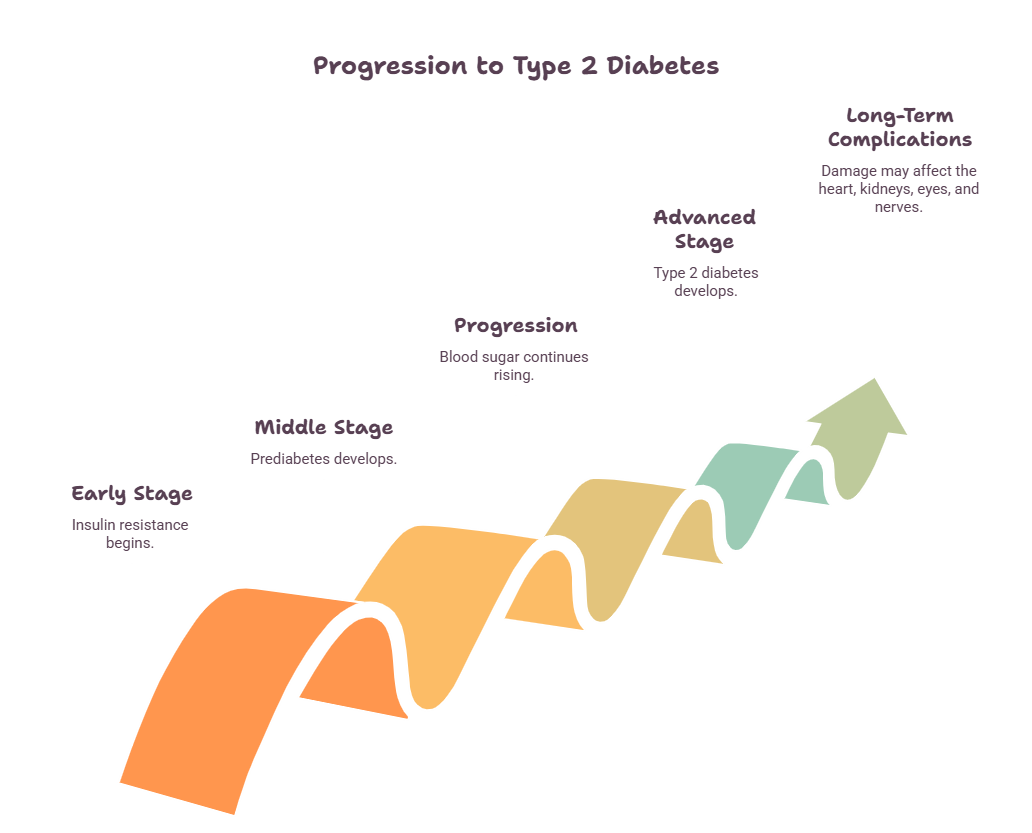
Persistently high blood sugar can damage the heart, kidneys, eyes, nerves, and blood vessels over time.
Types of Diabetes
There are several forms of diabetes, but the most common are Type 1 diabetes, Type 2 diabetes, and gestational diabetes.
| Type | Description | Prevention Possibility |
|---|---|---|
| Type 1 Diabetes | Autoimmune condition where the body attacks insulin-producing cells | Currently not preventable |
| Type 2 Diabetes | Body becomes resistant to insulin or doesn’t produce enough | Often preventable |
| Gestational Diabetes | Occurs during pregnancy | Risk may be reduced through healthy habits |
Type 2 diabetes accounts for the vast majority of diabetes cases worldwide.
Why Diabetes Prevention Matters
Preventing diabetes helps reduce the risk of serious health complications and improves overall quality of life.
Uncontrolled diabetes increases the risk of:
- Heart disease
- Stroke
- Kidney disease
- Vision loss
- Nerve damage
- Foot complications
- Certain infections
Preventive measures often improve overall health, energy levels, and longevity.
Key Facts and Statistics
Diabetes is a major global health concern affecting millions of people across all age groups.
Important Facts
- More than 500 million adults worldwide are living with diabetes.
- Millions more have prediabetes and may not know it.
- Type 2 diabetes accounts for approximately 90–95% of diabetes cases.
- Even modest weight loss can significantly reduce diabetes risk.
- Early intervention provides the greatest preventive benefit.
Who Is at Risk?
Certain lifestyle, genetic, and health factors can increase the likelihood of developing Type 2 diabetes.
Common Risk Factors
- Family history of diabetes
- Overweight or obesity
- Physical inactivity
- High blood pressure
- Prediabetes
- Poor dietary habits
- Smoking
- Chronic stress
- Sleep disorders
- Age over 45 years
However, diabetes can develop at younger ages as well.
Early Warning Signs
Prediabetes and early diabetes may not cause obvious symptoms, which is why screening is important.
Possible warning signs include:
- Increased thirst
- Frequent urination
- Unexplained fatigue
- Blurred vision
- Slow wound healing
- Increased hunger
- Darkened skin around the neck or armpits
Many people remain symptom-free for years.
Major Causes and Risk Factors
Type 2 diabetes develops through a combination of insulin resistance, genetics, and lifestyle factors.
Excess Body Weight
Excess fat, especially around the abdomen, increases insulin resistance.
Poor Diet
Highly processed foods, sugary beverages, and excess calories contribute to weight gain and metabolic dysfunction.
Physical Inactivity
Regular movement helps improve insulin sensitivity and blood sugar control.
Genetics
A family history increases risk, but healthy habits can still make a substantial difference.
How to Prevent Diabetes Naturally
Lifestyle changes remain the most effective strategy for preventing Type 2 diabetes.
1. Maintain a Healthy Weight
Research consistently shows that losing even 5–10% of body weight can significantly reduce diabetes risk in overweight individuals.
Practical Tips
- Avoid crash diets
- Focus on sustainable habits
- Track progress consistently
- Set realistic goals
2. Be Physically Active
Regular exercise improves insulin sensitivity and helps maintain healthy blood sugar levels.
Recommended Activities
- Brisk walking
- Cycling
- Swimming
- Strength training
- Yoga
- Dancing
Aim for at least 150 minutes of moderate physical activity per week.
Healthy Diet Strategies
A balanced, nutrient-rich diet supports healthy blood sugar regulation and reduces diabetes risk.
Core Principles
- Eat more vegetables
- Choose whole grains
- Include lean proteins
- Increase dietary fiber
- Stay hydrated
- Limit added sugars
Plate Method
- 50% non-starchy vegetables
- 25% lean protein
- 25% whole grains or healthy carbohydrates
This simple strategy can improve blood sugar management and support weight control.
Best Foods for Diabetes Prevention
Whole, minimally processed foods provide nutrients that support healthy blood sugar control.
Recommended Foods
Vegetables
- Broccoli
- Spinach
- Cauliflower
- Bell peppers
Fruits
- Apples
- Berries
- Oranges
Whole Grains
- Oats
- Brown rice
- Quinoa
Protein Sources
- Fish
- Beans
- Lentils
- Eggs
- Greek yogurt
Healthy Fats
- Nuts
- Seeds
- Avocados
- Olive oil
Foods to Limit
Reducing highly processed foods and sugary beverages can lower diabetes risk.
Limit:
- Sugary drinks
- Excess sweets
- Refined grains
- Ultra-processed snacks
- Fast food
- Excess alcohol
Small, sustainable dietary changes are often more effective than restrictive eating plans.
Role of Physical Activity
Exercise helps the body use insulin more effectively and improves glucose control.
Benefits of Regular Exercise
- Better insulin sensitivity
- Weight management
- Reduced inflammation
- Improved cardiovascular health
- Lower stress levels
Even a daily 30-minute walk can provide meaningful benefits.
Importance of Weight Management
Maintaining a healthy body weight is one of the strongest predictors of reduced diabetes risk.
Studies have repeatedly shown that moderate weight loss can dramatically improve insulin sensitivity and reduce progression from prediabetes to Type 2 diabetes.
The goal is long-term sustainability rather than rapid weight loss.
Sleep and Stress Management
Poor sleep and chronic stress may increase the risk of insulin resistance and diabetes.
Healthy Sleep Habits
- Aim for 7–9 hours nightly
- Maintain consistent sleep schedules
- Limit screen time before bed
Stress Management Techniques
- Meditation
- Deep breathing
- Yoga
- Walking outdoors
- Social connection
Mental well-being is increasingly recognized as an important component of diabetes prevention.
Latest Research and Medical Findings
Recent research continues to confirm that lifestyle interventions remain highly effective for diabetes prevention.
Current evidence suggests:
- Physical activity improves insulin sensitivity.
- Weight loss reduces progression from prediabetes.
- Fiber-rich diets improve blood sugar regulation.
- Sleep quality influences metabolic health.
- Long-term lifestyle programs outperform short-term interventions.
Researchers continue to study personalized prevention strategies based on genetics, lifestyle, and metabolic markers.
Expert Insights
Experts agree that diabetes prevention starts with small, consistent lifestyle improvements.
Health organizations worldwide emphasize:
- Early screening
- Weight management
- Physical activity
- Healthy eating
- Smoking cessation
- Regular medical follow-up
Prevention is often more effective and less costly than treating advanced diabetes complications.
Prediabetes vs Type 2 Diabetes
| Factor | Prediabetes | Type 2 Diabetes |
| Blood Sugar | Higher than normal | Consistently elevated |
| Symptoms | Often absent | May develop symptoms |
| Reversible | Often yes | Sometimes manageable but chronic |
| Treatment | Lifestyle-focused | Lifestyle + possible medications |
| Prevention Opportunity | Very high | Complication prevention focus |
10 Daily Habits That Help Prevent Diabetes
- Walk every day.
- Eat more vegetables.
- Drink water instead of sugary drinks.
- Get adequate sleep.
- Manage stress.
- Maintain a healthy weight.
- Avoid smoking.
- Eat fiber-rich foods.
- Stay physically active throughout the day.
- Schedule regular health checkups.
What Happens When Blood Sugar Stays High?
Common Myths vs Facts
| Myth | Fact |
| Diabetes only affects older adults. | People of all ages can develop diabetes. |
| Sugar alone causes diabetes. | Multiple factors contribute to diabetes risk. |
| Thin people cannot get diabetes. | Diabetes can occur at any body size. |
| Prediabetes is harmless. | Prediabetes increases future diabetes risk. |
| Exercise alone prevents diabetes. | Prevention requires multiple lifestyle factors. |
When to See a Doctor
Consult a healthcare professional if you have risk factors, symptoms, or concerns about blood sugar levels.
Consider screening if you:
- Have a family history
- Are overweight
- Have high blood pressure
- Have prediabetes
- Are physically inactive
Early detection can significantly improve outcomes.
Conclusion
Preventing diabetes is not about perfection—it is about consistent healthy habits. Type 2 diabetes often develops gradually, providing valuable opportunities for prevention. Through balanced nutrition, regular exercise, healthy weight management, quality sleep, stress reduction, and routine medical screening, individuals can significantly reduce their risk.
Small changes made today can have a powerful impact on future health.
Key Takeaways
- Type 2 diabetes is often preventable.
- Prediabetes can frequently be reversed through lifestyle changes.
- Healthy eating and regular exercise remain the foundation of prevention.
- Weight management significantly reduces risk.
- Sleep and stress influence blood sugar control.
- Early screening helps identify risk before diabetes develops.
- Consistent habits matter more than short-term efforts.
Frequently Asked Questions (FAQ)
Type 2 diabetes can often be prevented or delayed through healthy lifestyle changes. Research shows that maintaining a healthy weight, exercising regularly, eating a balanced diet, and avoiding tobacco use can significantly reduce risk. Type 1 diabetes currently cannot be prevented because it is an autoimmune condition.
The most effective strategy combines healthy eating, regular physical activity, weight management, adequate sleep, and routine medical checkups. These lifestyle factors work together to improve insulin sensitivity and maintain healthy blood sugar levels.
Yes. Many individuals with prediabetes can return their blood sugar levels to a normal range through lifestyle modifications. Weight loss, improved nutrition, increased physical activity, and better sleep habits are among the most effective interventions.
Most health organizations recommend at least 150 minutes of moderate-intensity physical activity each week. Activities such as brisk walking, cycling, swimming, and strength training can help reduce diabetes risk and improve overall health.
Foods rich in fiber, vitamins, and minerals are beneficial. These include vegetables, fruits, whole grains, legumes, nuts, seeds, and lean proteins. Limiting sugary drinks and highly processed foods may also help lower diabetes risk.
Yes. Even a modest weight loss of 5–10% of body weight can improve insulin sensitivity and significantly reduce the likelihood of developing Type 2 diabetes, especially in individuals with prediabetes.
Yes. Genetics can increase the risk of developing diabetes. However, having a family history does not guarantee that a person will develop the condition. Healthy lifestyle choices can help lower risk even in genetically susceptible individuals.
Regular walking can be highly beneficial. A daily brisk walk improves blood sugar control, supports weight management, and enhances insulin sensitivity. Walking is one of the simplest and most accessible forms of exercise for diabetes prevention.
Insufficient or poor-quality sleep may contribute to insulin resistance and metabolic dysfunction. Most adults should aim for 7–9 hours of quality sleep per night to support healthy blood sugar regulation.
Common symptoms include increased thirst, frequent urination, unexplained fatigue, blurred vision, slow-healing wounds, and increased hunger. Some people may have no symptoms, which is why routine screening is important.
Chronic stress can affect hormones that influence blood sugar regulation. Long-term stress may contribute to unhealthy lifestyle behaviors and insulin resistance, potentially increasing diabetes risk over time.
Screening recommendations vary depending on individual risk factors. Adults who are overweight, have a family history of diabetes, or possess other risk factors may benefit from earlier screening as advised by a healthcare professional.
Currently, there is no proven way to prevent Type 1 diabetes. Researchers continue to investigate genetic, environmental, and immune-related factors that contribute to the condition.
Yes. Rising rates of childhood obesity and sedentary lifestyles have increased the occurrence of Type 2 diabetes in younger populations. Healthy nutrition and regular physical activity remain important preventive measures.
Prediabetes indicates blood sugar levels are higher than normal but not yet high enough for a diabetes diagnosis. Without intervention, many individuals with prediabetes may eventually develop Type 2 diabetes.